
The Coastal Effect: Why Light, Layered Interiors Are Winning in Today’s Flip Market
There’s a shift happening in what buyers respond to, and it’s quieter than you might expect.
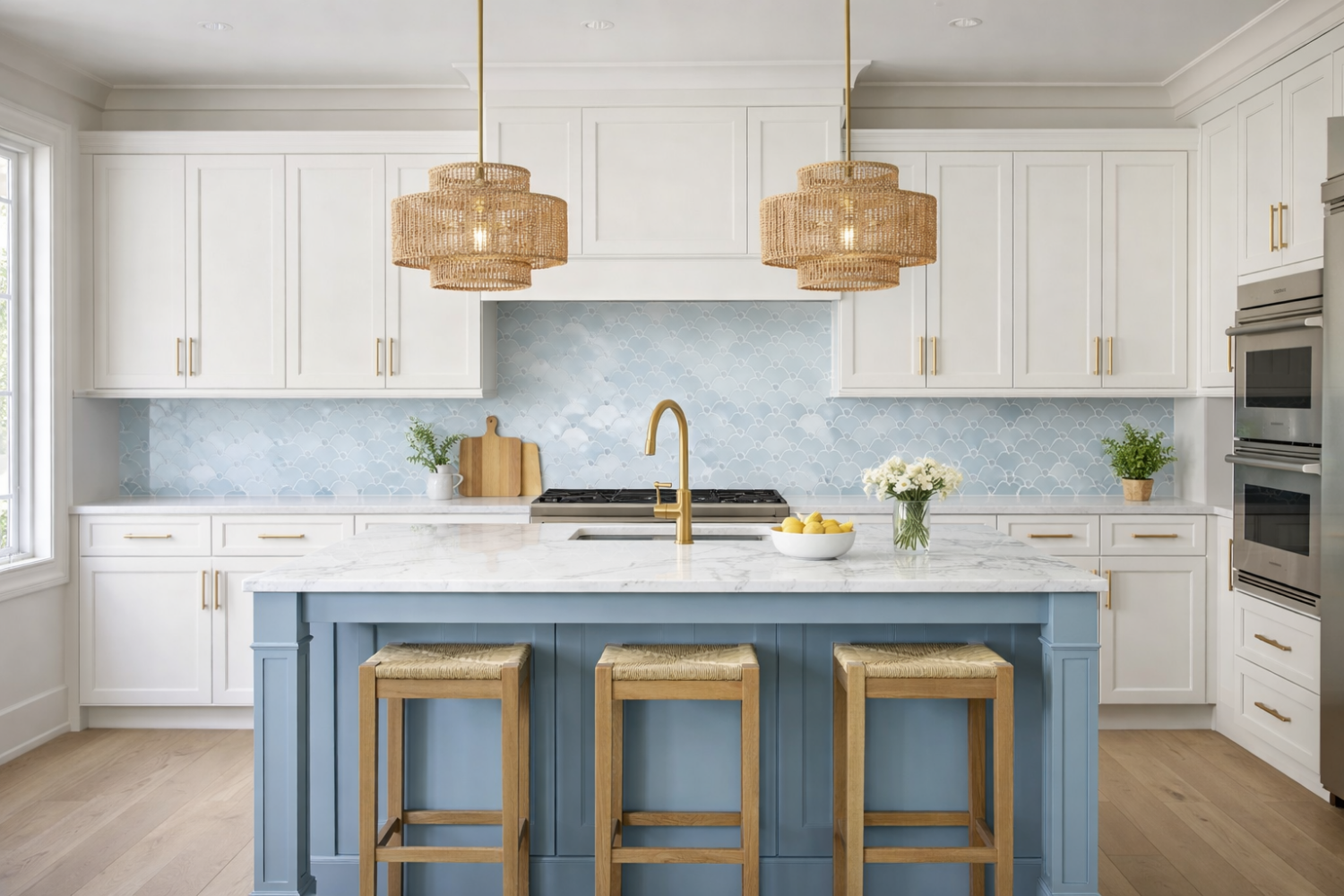
The New Coastal is beachy but not theme-heavy, and buyers are eating it up.
Walk through the homes selling fastest right now and a pattern emerges. The spaces feel lighter. More open. There's warmth without weight and a sense of ease that's hard to pin down but impossible to miss. It reads as coastal in the way that a good vacation does—not because of anything literal, but because of how it makes you feel. And as it turns out, that feeling has real market value.
The Data Is Starting to Stack Up
Research from Better Homes & Gardens Real Estate found that for 40 percent of buyers, the right paint color makes a strong first impression, and a third say it's what catches their attention first. Buyers are gravitating toward calm, earth-inspired tones and classic neutrals. That tracks with what we're seeing play out across the flip market: the homes that move don’t have the boldest design choices but rather feel the most resolved.
Modern coastal has become a dominant resale style in 2026, with neutral, airy interiors outperforming heavily themed spaces. The reason comes down to how quickly buyers form impressions. Visually simple interiors tend to perform better because they help buyers interpret layout, flow, and scale more efficiently. Buyers want to picture their life in the space, and overly specific design gets in the way of that. Overly themed interiors slow down decision-making because buyers must mentally "remove" décor before imagining their own style. Neutral spaces eliminate that friction.
Meanwhile, design experts at Engel & Völkers are pointing to what they call "Seaside Cool" as an emerging aesthetic—spaces that feature layered blues, soft grays, and natural woods, focused on creating light, airy interiors that feel restorative and uncluttered. This approach works across markets, not just coastal ones. It translates to Florida bungalows, Northeast renovations, and suburban flips alike—anywhere buyers are searching for something that feels calm and considered.
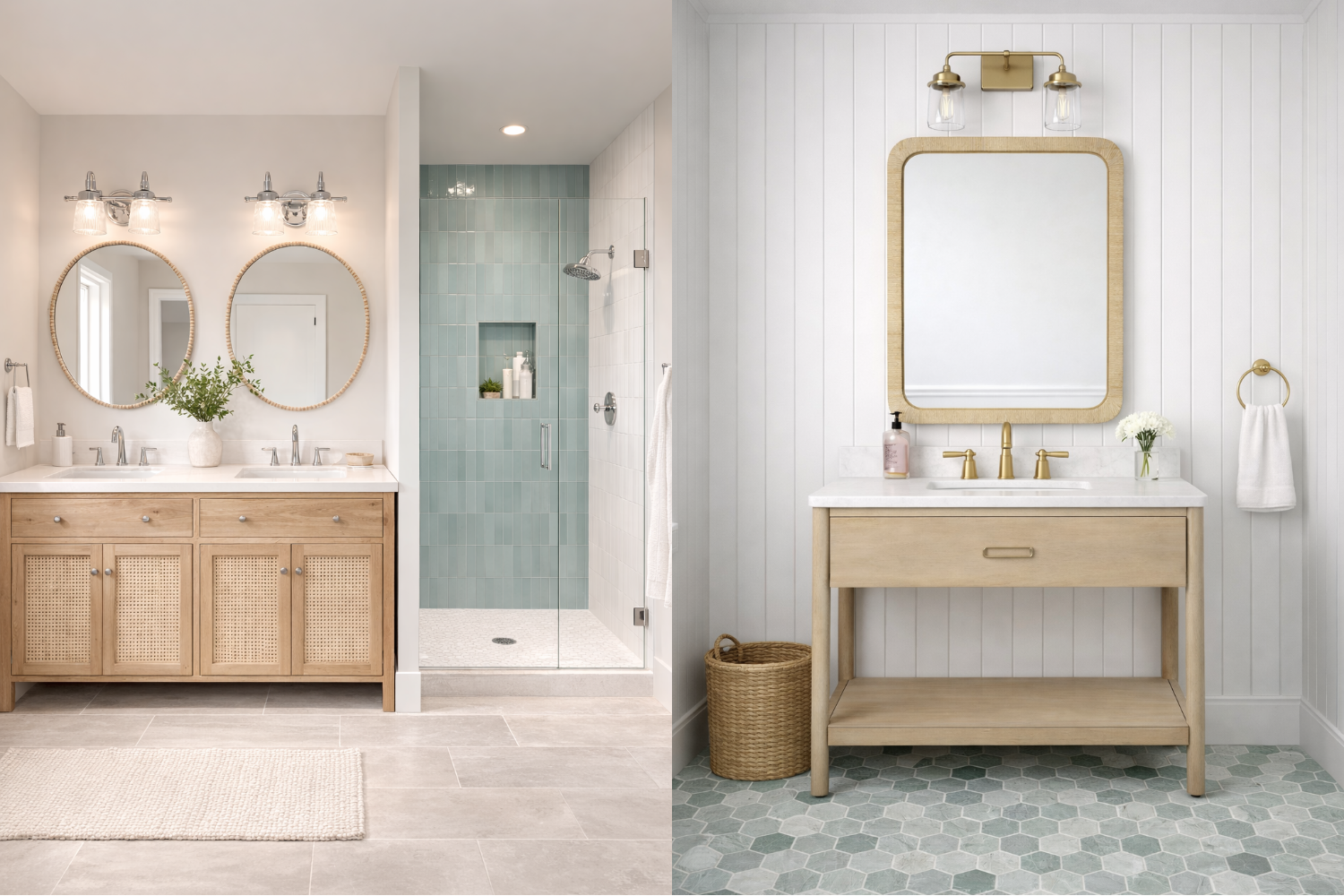
Chrome, polished nickel, champagne bronze, even some matte black…this trending style is highly flexible when it comes to metal finishes.
Spring Is the Moment
We're heading into the season when home improvement activity reliably picks up, and 2026 is no different. Seasonal home trends are shaping how consumers budget in 2026, and many homeowners are looking to carry out smaller, more manageable improvements to give their interiors a much-needed refresh without the cost and disruption of major renovations. Paint, lighting, hardware, and cohesive finishes are where the energy is going. Overall annual homeowner spending on improvements is expected to reach $522 billion by the end of 2026. That's a lot of people making decisions about what their spaces look and feel like and a significant opportunity for flips that meet buyers where they are.
The good news for investors is that the light, layered approach we're talking about doesn't require a massive budget. It requires a good design direction and the discipline to follow it.
What “Coastal” Actually Means Here
To be clear, we're not talking about seashells and rope accents. Coastal interiors in 2026 are moving beyond the classic all-white, beach-inspired look. The focus is shifting toward warmer tones, richer textures, and more layered, intentional choices that feel both relaxed and refined, without relying on predictable elements. The National Association of Home Builders is seeing the same shift, with its Best in American Living Awards highlighting warm, neutral interior palettes and design features that connect people to nature through natural light, warm wood materials, and indoor-outdoor flow.
The result is a look that feels collected rather than decorated. Soft blues and warm greiges that don't read cold or flat. Light woods that bring warmth without heaviness. Mixed metals that feel considered. It's balanced, and that balance is what makes it feel intentional instead of generic.
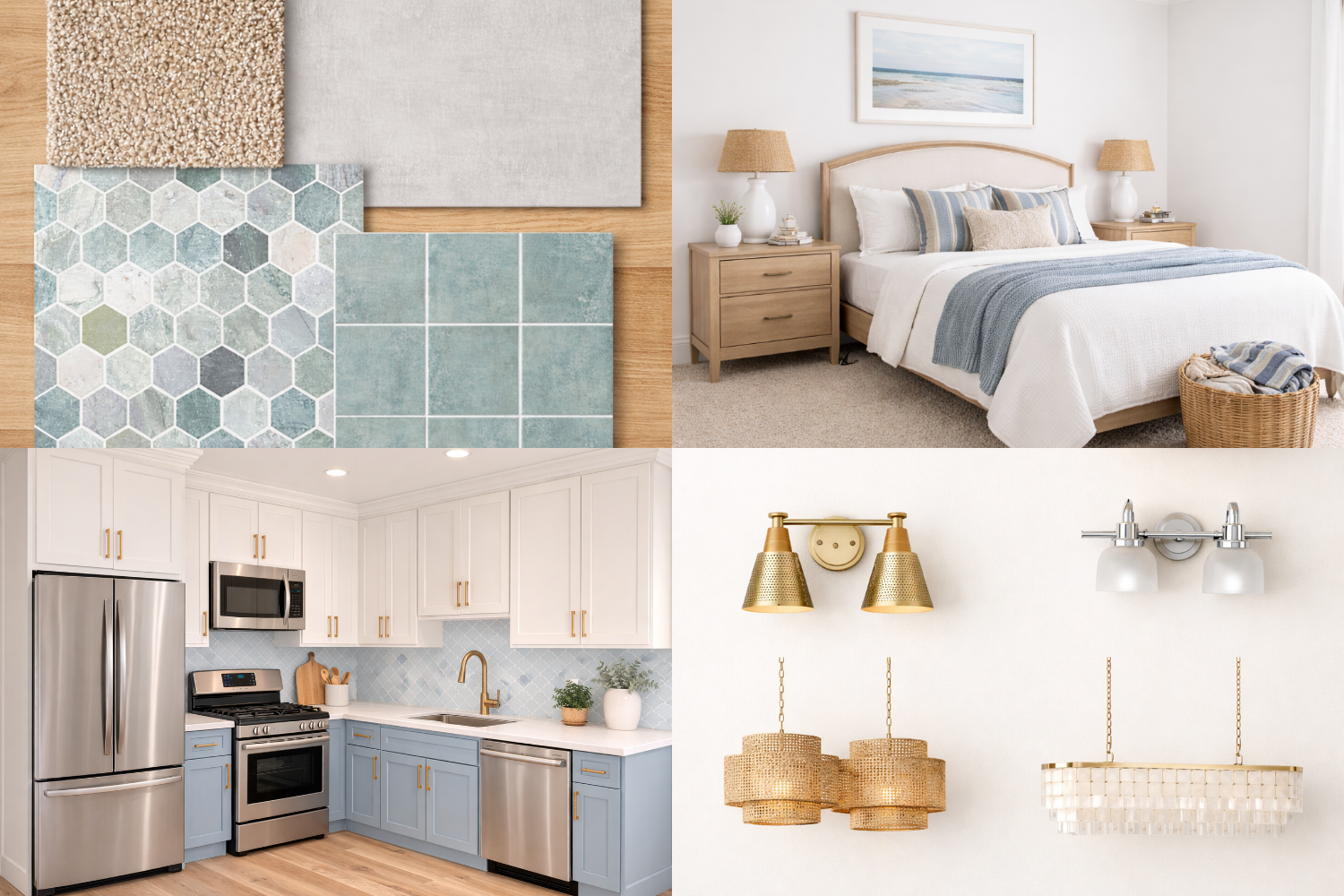
Two words: comfort and serenity. Universal “musts” among home buyers.
Meet Light Haus
This is exactly the space our newest FlipKit was designed to occupy. Light Haus was designed for the buyer who wants that airy, coastal-inspired feeling without anything that dates quickly or limits resale appeal. It's a cohesive design direction rooted in the principles that are actually moving homes right now: light, warmth, texture, and a palette that feels finished without feeling fixed.
Spring is here, inventory is moving, and buyers know what they want when they feel it. Light Haus gives your flip the kind of ease that closes deals.
It’s time to flip smarter, not harder.
Learn more about becoming a FlipKit Member and get access to our full library of curated design collections built for speed, strategy, and resale.
